14 minutes Read

Published On

A Complete Guide On How to Find Certified NetSuite Consultants For Your Business

Choosing the right NetSuite consultant plays a critical role in the success of your ERP implementation and long-term system performance. 

Certified NetSuite consultants bring validated expertise in configuration, integrations, and optimization, helping businesses avoid common setup mistakes and costly rework. Without proper certification or hands-on experience, consultants may overlook best practices, leading to poor system adoption and limited scalability. 

This becomes even more risky during complex implementations or when integrating NetSuite with existing systems.

For businesses investing in NetSuite, working with a certified consultant ensures the platform is implemented correctly, optimized for real workflows, and capable of supporting growth without ongoing technical challenges.

What Is a Certified NetSuite Consultant?

A certified NetSuite consultant is a professional who has completed official NetSuite training and passed certification exams. These certifications validate their understanding of the platform, industry best practices, and real-world implementation scenarios.

Certified consultants are trained to configure NetSuite correctly, align it with business processes, and ensure long-term system stability. Their role goes beyond setup and includes optimization, integrations, and ongoing support.

Types of NetSuite Consultants

Depending on business needs, certified consultants may specialize in different areas:

  • Implementation Consultants: Lead NetSuite implementations, handle system configuration, and manage project timelines.
  • Functional Consultants: Focus on business processes such as finance, inventory, order management, and reporting.
  • Technical and SuiteScript Consultants: Handle customizations, integrations, workflows, and advanced automation using SuiteScript.

Why Certification Matters

NetSuite certifications are backed by structured training and hands-on assessments. This ensures consultants follow proven implementation frameworks rather than trial-and-error approaches.

Certified consultants help businesses benefit from:

  • Deep platform expertise and up-to-date product knowledge
  • Adherence to NetSuite best practices
  • Reduced implementation risks and rework
  • Faster user adoption and system optimization

By working with a certified consultant, businesses gain confidence that their NetSuite investment is implemented correctly and built to scale.

Common Challenges When Searching for Local NetSuite Consultants

Finding the right NetSuite consultant locally can be more difficult than expected. Many businesses struggle to distinguish between truly certified consultants and those with limited or outdated experience.

Verification is often unclear, and not all consultants openly share certification details or recent project experience. This creates uncertainty during the selection process.

Additional challenges commonly include:

  • Difficulty Verifying Certifications: Not all consultants provide proof of active NetSuite certifications or training.
  • Limited Local Availability: Certified consultants may be scarce in certain regions, leading to long wait times or limited options.
  • High Costs or Unclear Pricing: Local consultants may charge premium rates without clearly defining the scope or deliverables.
  • Lack of Industry-Specific Experience: Some consultants understand NetSuite but lack hands-on experience in specific industries, increasing project risk.

These challenges make it harder for businesses to find a consultant who is both nearby and capable of delivering a successful NetSuite project.

Step-by-Step: How to Find Certified NetSuite Consultants Near You

Step 1: Use NetSuite’s Official Partner Directory

NetSuite’s Partner Directory is the most reliable starting point for finding certified consultants. It allows you to filter partners by location, partner tier, and industry focus.

Tips for searching:

  • Filter by location to find consultants nearby.
  • Check partner tier (e.g., Solution Provider, Alliance Partner) for experience level.
  • Use industry focus to find consultants familiar with your business type.

Step 2: Check Consultant Certifications and Credentials

Verifying a consultant’s certifications ensures they have completed official NetSuite training. Certifications reflect up-to-date knowledge and adherence to platform best practices.

Look for:

  • Active NetSuite Administrator or Consultant Certifications.
  • Specialist certifications for Finance, ERP, or SuiteScript if relevant.
  • Proof of training or recent NetSuite project experience.

Step 3: Look for Industry Experience

Industry experience matters because consultants familiar with your sector can implement NetSuite more efficiently. They understand common workflows, regulatory requirements, and typical pitfalls.

Benefits include:

  • Faster implementation with fewer customizations.
  • Reduced risk of errors due to industry-specific knowledge.
  • Best practices already aligned with your business model.

Step 4: Evaluate Local vs Remote Consultants

Choosing between local and remote consultants depends on your priorities. Local consultants may offer onsite support, while remote teams can provide flexibility and broader expertise.

Considerations:

  • Local: Easier face-to-face meetings, region-specific knowledge.
  • Remote: Often more scalable, flexible schedules, access to diverse expertise.
  • Assess whether your team needs hands-on presence or can collaborate online.

Step 5: Review Case Studies and Client References

Real-world espeaking xamples provide insights into a consultant’s capabilities. Reviewing case studies and with past clients helps validate expertise.

What to look for:

  • Successful implementations similar to your business size or industry.
  • Measurable results like faster deployment, reduced errors, or improved reporting.
  • References who can confirm professionalism, communication, and support quality

Questions to Ask Before Hiring a NetSuite Consultant

Before hiring a NetSuite consultant, it’s important to ask targeted questions that reveal their expertise, approach, and suitability for your business. These questions help ensure you select a consultant who can deliver a successful implementation and long-term support.

Key Questions to Ask:

  • What NetSuite certifications does your team hold? 

Certification proves that the consultant has completed official NetSuite training and understands platform best practices. Ask for specifics on functional, implementation, and technical certifications to confirm their expertise aligns with your needs.

  • Have you worked with businesses similar to ours?

Industry experience matters. Consultants familiar with your sector will understand common workflows, regulatory requirements, and reporting standards, which can reduce implementation time and the need for customizations.

  • How do you handle post-implementation support?

A consultant’s role often extends beyond setup. Ask about ongoing support, troubleshooting, training for staff, and system optimization to ensure your NetSuite system continues running efficiently after go-live.

  • What is your implementation approach and timeline?

Understand their methodology and project management style. A clear plan with milestones, deliverables, and timelines indicates professionalism and reduces the risk of delays or scope creep.

  • Can you provide references or case studies?

Past client experiences provide insights into reliability, communication, and results. Ask for references from companies with similar size or needs to see how the consultant performs in real-world scenarios.

By asking these questions, you gain a clearer picture of the consultant’s skills, experience, and fit for your business, reducing risk and improving the chances of a smooth NetSuite implementation

Should You Choose a Local or Global NetSuite Partner?

When selecting a NetSuite partner, businesses often weigh the benefits of working with a local consultant versus a global partner. Both options have advantages depending on your project needs, company size, and preferred level of support.

Local Consultants

Local consultants offer proximity and region-specific knowledge, which can be helpful for on-site support or compliance with local regulations.

Benefits include:

  • Onsite Availability: Easier face-to-face meetings, workshops, and training sessions.
  • Regional Familiarity: Understanding of local tax laws, reporting requirements, and industry norms.
  • Faster Response for Urgent Issues: Immediate assistance if problems arise during implementation or post-go-live.

Global Partners

Global partners often bring broader expertise and access to larger teams, making them suitable for complex projects or multi-location businesses.

Benefits include:

  • Broader Expertise: Teams with experience across multiple industries and large-scale implementations.
  • Scalability: Ability to support growing businesses or multiple locations without needing additional local resources.
  • Flexible Support Models: 24/7 support options, remote project management, and access to diverse specialists.

Choosing between local and global partners depends on your priorities, whether you value proximity and hands-on support or scalability and wide-ranging expertise.

When to Consider a NetSuite Consulting Firm Instead of an Individual Consultant

Sometimes an individual consultant can handle smaller or simpler NetSuite projects. However, for larger implementations, complex integrations, or long-term optimization, a consulting firm may be a better fit. Firms offer broader expertise and resources that an individual consultant may not be able to provide.

Key Differences to Consider:

  • Skill Coverage: Firms typically have teams covering multiple areas—functional, technical, SuiteScript, and industry-specific expertise—ensuring all aspects of your project are handled.
  • Support Availability: Consulting firms can provide continuous support even if a team member is unavailable, reducing downtime and ensuring consistent service.
  • Risk Mitigation: Firms often follow standardized project methodologies, reducing errors, delays, and implementation risks compared to solo consultants.
  • Long-Term Scalability: Firms can scale resources as your business grows, providing ongoing support, upgrades, and additional modules without needing to find new consultants.

Choosing a consulting firm over an individual consultant can provide more comprehensive support, reduce project risk, and ensure your NetSuite system continues to meet your business needs over time.

Conclusion

Finding the right certified NetSuite consultant is critical for a smooth implementation, successful integrations, and long-term system optimization. Working with unverified or inexperienced consultants can lead to delays, errors, and higher costs.

By carefully evaluating certifications, industry experience, and past project success, businesses can select a consultant who aligns with their specific needs. 

Whether you choose a local NetSuite consultant, a remote expert, or a consulting firm, the goal is to ensure your NetSuite system is implemented efficiently, optimized for your workflows, and capable of supporting future growth.

Ultimately, investing time in finding the right consultant reduces risk, accelerates adoption, and maximizes the value of your NetSuite platform.

Book a call today!

Frequently Asked Questions

1. What does it mean for a NetSuite consultant to be certified?

A certified NetSuite consultant has completed official NetSuite training programs and passed examinations that validate their knowledge of the platform. Certification ensures they understand configuration, workflows, integrations, and best practices.

Benefits of working with a certified consultant include:

  • Reduced implementation errors and project risks
  • Faster adoption of NetSuite features
  • Confidence that best practices are being followed

2. How do I verify a NetSuite consultant’s certification?

You can verify a consultant’s certification through NetSuite’s official Partner Directory or by requesting proof of active certification. Always check that certifications are current and relevant to your project needs.

Key points to check:

  • Functional vs technical certifications (e.g., ERP, SuiteScript)
  • Dates of certification to ensure up-to-date knowledge
  • Relevant industry or module specialization

3. Should I choose a local or remote NetSuite consultant?

Both options have advantages depending on your priorities.

Local consultants:

  • Provide onsite support and training
  • Understand local regulations and industry practices
  • May respond faster to urgent issues

Remote consultants:

  • Offer broader expertise and access to larger teams
  • Can scale resources for complex or multi-location projects
  • Often more flexible and cost-efficient

The choice depends on whether proximity or access to specialized expertise is more important for your business.

4. How do I know if a consultant is the right fit for my industry?

Industry experience is crucial for minimizing customizations and ensuring faster implementations. Ask about past projects in your sector and request case studies or client references.

What to look for:

  • Similar business size or industry focus
  • Proven success with similar workflows and regulations
  • References confirming results and smooth project delivery

5. When should I consider a consulting firm instead of an individual consultant?

A consulting firm is ideal for larger projects, multi-entity businesses, or complex NetSuite implementations. Firms provide broader skill coverage, ongoing support, and risk mitigation.

Advantages of a firm include:

  • Teams covering functional, technical, and industry expertise
  • Continuous support, even if a team member is unavailable
  • Standardized methodologies that reduce errors and delays
  • Scalability to handle future growth and additional modules

Schouzib is a content marketer with a background in enterprise software marketing, focusing on ERP and NetSuite solutions for businesses. At Folio3, her blogs simplify complex ERP topics and highlight key NetSuite updates. With strong product knowledge and a strategic mindset, she helps businesses make the most of their ERP systems.

Table of Contents

Contact Us

By submitting this form, you agree to our privacy policy and terms of service.

Related resources you might be interested in

We'd love to help you with all your NetSuite needs

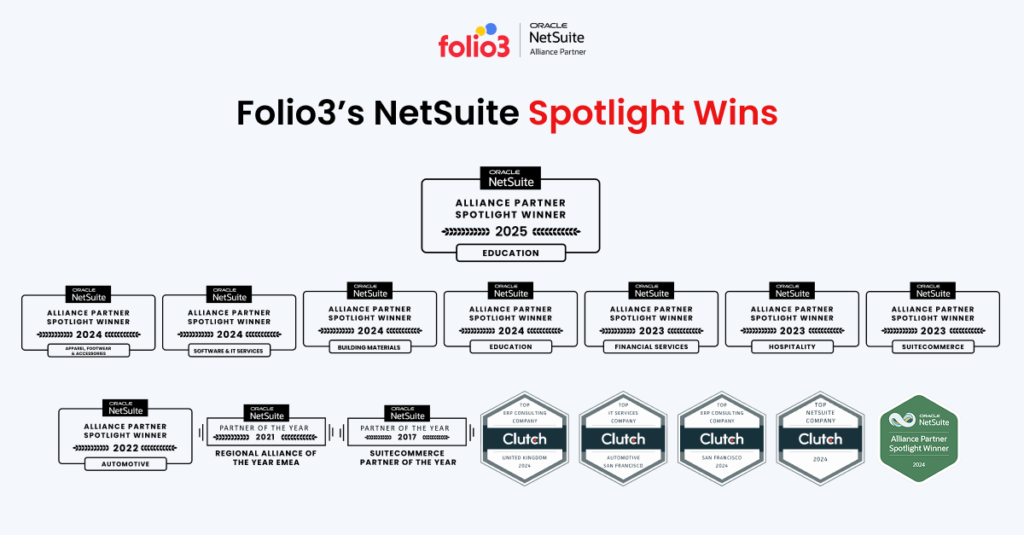
Folio3 Your Top Choice:

Middle East Partner 2025
education award 2025
Winner Award
Software and IT Services 2024
Financial-Services-2023
SuiteCommerce 2023

Let's discuss your NetSuite needs

Hello, How can we help you?