Key Takeaways
- SuiteCommerce Advanced fits NetSuite-centric wholesalers well because customer records, pricing, inventory, orders, and ecommerce activity operate within the same business system.
- Magento offers extensive B2B ecommerce functionality, including company accounts, shared catalogs, negotiated pricing, quotes, purchase orders, and approval workflows.
- SCA reduces integration complexity for NetSuite businesses, while Magento generally requires more work to connect ecommerce activity with ERP data and processes.
- SuiteCommerce Advanced makes sense when NetSuite already serves as the operational center of the business and ecommerce needs to reflect the same customer, pricing, inventory, and transaction data.
- Magento fits businesses that want a separate ecommerce platform with extensive B2B functionality, storefront control, and ecommerce development flexibility.
- The right choice depends on the existing NetSuite environment, B2B purchasing model, ecommerce requirements, and willingness to manage integrations and technical infrastructure.
B2B vs. B2C Ecommerce: Why the Buying Model Matters
B2B ecommerce revolves around business accounts, negotiated pricing, customer-specific products, repeat purchases, purchasing permissions, and established order processes. B2C ecommerce generally serves individual shoppers through public catalogs, standard pricing, consumer checkout, promotions, and self-service purchasing.
That difference changes what the storefront needs to accomplish. A wholesale buyer might log in to reorder known SKUs, review customer-specific pricing, check availability, submit a large order, or work through an approval process. The storefront therefore needs close alignment with customer records, product information, pricing, inventory, orders, and account permissions.
For a NetSuite business, this makes the relationship between ecommerce and ERP especially important. SuiteCommerce Advanced places the storefront within the NetSuite ecosystem, while Magento operates as a separate ecommerce platform that requires an integration setup to exchange business data with NetSuite.
Why SuiteCommerce Advanced Fits NetSuite-Centric B2B Businesses
SuiteCommerce Advanced provides a strong B2B ecommerce model for businesses that already use NetSuite to manage customers, products, pricing, inventory, orders, and financial processes. Instead of creating a separate ecommerce data environment, the storefront works closely with the records and processes already managed inside NetSuite.
This matters when ecommerce is part of the same purchasing operation rather than an independent digital channel. Customer-specific pricing, product availability, order information, account data, and transaction activity have a closer relationship with the ERP processes behind them.
SCA provides extensive flexibility for businesses with specialized B2B requirements. Account structures, product experiences, purchasing workflows, search, merchandising, and other storefront functions support further development around the company’s existing NetSuite setup.
Magento approaches B2B ecommerce from a different starting point. It provides a dedicated ecommerce environment with extensive B2B functionality, while the business remains responsible for maintaining the connection between Magento and NetSuite.
SuiteCommerce Advanced vs Magento for B2B Ecommerce
Wholesale buyers usually arrive with a defined purchasing objective. They might already know the products, quantities, negotiated prices, delivery requirements, or account they need to use. The ecommerce experience needs to make those transactions efficient while preserving the account rules behind each purchase.
SuiteCommerce Advanced and Magento address these requirements through different operating models. SCA keeps ecommerce closely tied to NetSuite, while Magento provides an independent ecommerce environment with extensive control over B2B commerce.
The difference becomes clearer when each part of the B2B purchasing journey is examined.
SuiteCommerce Advanced vs Magento Feature Comparison
| B2B Ecommerce Requirement | SuiteCommerce Advanced | Magento / Adobe Commerce |
|---|---|---|
| Customer-specific pricing | Connected to NetSuite customer and pricing structures | Customer-group and account-based pricing |
| Account-specific catalogs | NetSuite customer, item, pricing, and visibility structures | Shared catalogs and customer-group controls |
| Company accounts | NetSuite customer/account structures | Dedicated B2B company structures |
| Multiple buyers | Account-based purchasing structures and specialized permissions | Company users, roles, and permissions |
| Quick ordering | Extensible B2B purchasing workflows | Dedicated B2B quick-order functionality |
| Reordering | Customer order history and purchasing workflows | Reorder and account purchasing features |
| Quotes | NetSuite sales processes and ecommerce workflows | Dedicated B2B quote functionality |
| Purchase orders | NetSuite transaction and workflow processes | B2B purchase-order functionality |
| Approval workflows | NetSuite workflows and account processes | B2B approval functionality |
| Product discovery | NetSuite-connected catalog and search experience | Extensive ecommerce catalog and search capabilities |
| Large catalogs | Connected to NetSuite item data | Dedicated ecommerce catalog management |
| Storefront flexibility | Extensive storefront development and extension options | Extensive ecommerce development ecosystem |
| Mobile experience | Responsive storefront connected to NetSuite data | Responsive ecommerce storefront |
| NetSuite connectivity | Native NetSuite ecosystem | Separate integration with NetSuite |
| ERP/ecommerce data | Closely connected to NetSuite | Exchanged through integration |
| Core operating model | NetSuite-centric ecommerce | Ecommerce-centric platform |
The key distinction is where ecommerce data lives and how closely the storefront relates to the company’s operational records.
1. Customer-Specific Pricing
Customer-specific pricing is central to wholesale ecommerce because different accounts frequently receive different prices, discounts, quantity breaks, currencies, or negotiated terms. The storefront needs to present the correct commercial terms for the logged-in business account.
SuiteCommerce Advanced connects ecommerce pricing closely with NetSuite customer and pricing structures. This creates a direct relationship between the buyer’s account and the pricing information used throughout the business. A distributor, dealer, or strategic account therefore receives pricing aligned with its NetSuite relationship.
Magento provides customer-group and account-based pricing controls within its ecommerce environment. These capabilities provide substantial control over B2B pricing, while the corresponding NetSuite pricing information still requires synchronization when NetSuite remains the system of record.
For a NetSuite-centric business, the distinction is important: SCA keeps pricing closer to the ERP environment instead of creating another pricing layer that needs ongoing synchronization.
2. Customer-Specific Catalogs and Product Visibility
Wholesale businesses frequently sell different products to different accounts. A distributor might purchase a broad product range, while a strategic account receives access to a restricted assortment based on its contract, industry, region, or purchasing relationship.
SuiteCommerce Advanced provides a strong foundation for account-specific ecommerce experiences through its relationship with NetSuite customer, item, and pricing records. More specialized product visibility rules, account hierarchies, and purchasing requirements receive further development within the SCA environment.
This approach becomes particularly useful when product availability and catalog visibility need to reflect the same business structures used by sales and operations. Product information remains connected to the underlying NetSuite item data instead of becoming a completely separate ecommerce catalog.
Magento provides shared catalogs and customer-group controls that give B2B businesses extensive control over product visibility and catalog presentation. The key consideration for a NetSuite business is maintaining the relationship between those Magento catalog structures and the corresponding NetSuite item, pricing, and inventory records.
3. Company Accounts, Multiple Buyers, and Permissions
B2B purchasing frequently involves several users operating under one company account. A purchasing manager, buyer, sales representative, or finance user might have different responsibilities within the same customer relationship.
SuiteCommerce Advanced provides a foundation for multi-user B2B purchasing while keeping the account relationship connected to NetSuite. Its extensibility also supports more specialized account hierarchies and permissions when the standard purchasing model does not fully represent the company’s requirements.
It suits best for businesses with complex customer structures. A company with parent accounts, subsidiaries, purchasing divisions, regional buyers, or specialized approval rules benefits from a storefront designed around those relationships rather than a generic consumer account model.
Magento provides dedicated B2B company structures, multiple users, roles, permissions, and purchasing controls. Its B2B environment provides substantial functionality for businesses that want ecommerce account management to operate independently from their ERP.
The practical difference is where the account structure connects back to the business. SCA keeps that relationship close to NetSuite customer records and operational processes.
4. Quick Ordering and High-Volume Purchasing
Wholesale buyers frequently know what they need before opening the storefront. Entering multiple SKUs, specifying quantities, checking account pricing, and placing repeat orders should require minimal navigation.
SuiteCommerce Advanced supports B2B purchasing experiences designed around these workflows. Quick-order interfaces, SKU-based purchasing, bulk quantities, streamlined cart experiences, and repeat-order processes fit naturally into a NetSuite-connected storefront.
Magento also provides dedicated B2B purchasing functionality for high-volume orders and quick ordering. Its separate ecommerce environment gives businesses substantial control over the purchasing interface.
For a NetSuite business, SCA adds an important operational advantage, i.e., the resulting ecommerce order remains closely connected to the same customer, item, pricing, inventory, and transaction environment used by the rest of the organization.
5. Reordering and Repeat Purchases
Repeat purchasing is a core B2B behavior. Buyers frequently reorder the same products, review previous transactions, or purchase from an established list of SKUs rather than browse the entire catalog.
SCA connects customer order history and purchasing activity with the NetSuite environment. This supports account-based reorder experiences while keeping the underlying transaction information tied to the ERP.
Magento provides reorder and account purchasing capabilities within its ecommerce environment. For a NetSuite business, those transactions still need to remain synchronized with the ERP so inventory, order processing, fulfillment, and financial records stay aligned.
The choice therefore depends on whether repeat purchasing should operate as an extension of NetSuite or as an independent ecommerce workflow connected to NetSuite through integration.
6. Quotes and Sales-Assisted Commerce
Many wholesale transactions begin with a sales conversation rather than a standard ecommerce checkout. Buyers might request pricing, discuss quantities, negotiate terms, or work with an account manager before completing the order.
SuiteCommerce Advanced fits this model when quote and sales processes already operate through NetSuite. Ecommerce activity remains connected to the customer and transaction records used by sales and operations, while specialized workflows receive further development around the company’s requirements.
Magento provides dedicated B2B quote functionality and supports sales-assisted purchasing scenarios within its ecommerce environment. This gives businesses substantial control over the digital side of quote management.
For NetSuite users, the important consideration is the relationship between the quote and the rest of the sales process. SCA keeps that relationship within the same ERP environment.
7. Purchase Orders and Approval Workflows
Purchase orders and internal approvals introduce another layer to B2B ecommerce. A buyer might prepare an order while another employee reviews or approves it before the transaction proceeds.
SuiteCommerce Advanced benefits from its connection to NetSuite transaction and workflow processes. Businesses with established approval logic inside NetSuite have a foundation for connecting ecommerce purchasing with those processes.
Magento provides B2B purchase-order and approval functionality within its ecommerce environment. Businesses using Magento alongside NetSuite therefore need a reliable process for transferring approved purchasing activity into the ERP.
SCA is particularly relevant when the organization wants ecommerce purchasing to follow the same customer, transaction, and approval processes used internally.
8. Product Discovery and Large Catalogs
Large B2B catalogs create a different search challenge from consumer ecommerce. Buyers frequently search by SKU, part number, technical specification, product family, or known item rather than browsing promotional categories.
SuiteCommerce Advanced provides a NetSuite-connected storefront for product navigation and search. This gives businesses a foundation for building product discovery around the item data already managed in NetSuite.
Magento has a mature ecommerce catalog and search environment with extensive options for merchandising and product discovery. Its flexibility is valuable for businesses that treat ecommerce as a highly independent channel.
For a NetSuite-centric B2B operation, SCA keeps product discovery connected to the underlying NetSuite item environment, reducing separation between the online catalog and ERP product data.
9. B2B Account Experience
A B2B account area needs to provide more than a login and order history. Buyers might need account information, pricing, addresses, orders, invoices, purchasing details, and other business-specific information.
SuiteCommerce Advanced connects the account experience with NetSuite customer and transaction data. This creates a closer relationship between what the buyer sees online and what the business manages internally.
Magento provides a dedicated B2B account environment with company structures, roles, purchasing tools, and other ecommerce functionality. It provides greater separation between ecommerce and ERP, which suits organizations that want ecommerce to operate as an independent business platform.
For businesses that want the storefront to reflect NetSuite customer and transaction records closely, SCA provides a direct path.
10. Storefront Design and Ecommerce Flexibility
B2B ecommerce still requires a strong storefront experience. Product presentation, navigation, search, landing pages, merchandising, responsive design, and checkout all affect how efficiently buyers complete purchases.
SuiteCommerce Advanced provides extensive storefront development and extension options. Businesses use this flexibility to build branded experiences, specialized product pages, industry-specific workflows, custom purchasing experiences, and account-based functionality around their B2B model.
Magento also provides extensive storefront control and benefits from a large ecommerce development ecosystem. Businesses with established Magento teams, extensions, and custom functionality have significant flexibility within that environment.
For examples of customized SCA storefronts, see the best SuiteCommerce Advanced websites.
11. Mobile and Responsive B2B Buying
B2B purchasing increasingly extends beyond a buyer’s desktop workstation. Sales representatives might check product information with customers, field teams might review account information, and buyers might place repeat orders while away from the office.
SuiteCommerce Advanced supports responsive storefront experiences connected to NetSuite customer, product, pricing, inventory, and order information. The same account-specific business context remains relevant across the storefront experience.
Magento provides responsive ecommerce experiences with extensive control over mobile storefront design. For ERP-connected information, the quality of the experience depends on the integration between Magento and NetSuite.
12. Ecommerce Performance and Scalability
Performance becomes increasingly important as a B2B storefront grows its catalog, traffic, transaction volume, search activity, and account-specific functionality.
SuiteCommerce Advanced operates on Oracle Cloud Infrastructure (OCI), providing an enterprise cloud infrastructure foundation for NetSuite applications. This gives SCA a different infrastructure model from a separately hosted ecommerce platform, with the storefront operating as part of the broader NetSuite cloud environment.
Magento uses its own ecommerce infrastructure and provides substantial flexibility around deployment, configuration, caching, search, extensions, and performance optimization. That flexibility also places greater responsibility on the technical team managing the Magento environment and its connection to NetSuite.
For either platform, implementation quality still matters. Catalog structure, search configuration, custom development, integrations, transaction volume, and third-party services all affect storefront performance.
For a NetSuite business, SCA’s OCI foundation adds another reason to consider how closely the ecommerce platform should align with the existing ERP environment.
13. NetSuite Integration and Ecommerce Data
For a NetSuite business, integration is one of the most important differences between SCA and Magento.
SuiteCommerce Advanced connects ecommerce activity closely with customer, item, inventory, pricing, and transaction data. The storefront therefore works from the same business environment that manages core ERP processes.
Magento operates as a separate ecommerce platform. A NetSuite business using Magento needs an integration setup to exchange customer records, products, pricing, inventory, orders, fulfillment information, invoices, tax data, returns, and other business information.
This integration model remains viable, particularly for businesses with mature Magento operations and strong technical resources. It also introduces another layer that requires development, monitoring, testing, troubleshooting, and ongoing maintenance.
Watch a quick video to know more about it
For businesses looking to reduce the separation between ERP and ecommerce, SCA has a clear structural advantage.
Which Platform Requires More ERP Integration Work?
Magento generally requires more ERP integration work for a NetSuite business because ecommerce and ERP operate as separate platforms.
A Magento-NetSuite integration frequently covers:
- Customer synchronization
- Product and item synchronization
- Inventory availability
- Customer-specific pricing
- Sales orders
- Order status
- Fulfillment information
- Invoices
- Returns
- Payment information
- Tax data
- Custom business processes
The exact scope depends on the business model and existing technology environment. Third-party systems such as marketplaces, PIMs, logistics platforms, payment services, and tax applications add further integration requirements.
SCA reduces the separation at the core ERP-to-ecommerce level because the storefront operates within the NetSuite environment. Additional integrations still apply to external applications, but the primary relationship between ecommerce and ERP remains more direct.
14. Ecommerce Team Control and Technical Ownership
SuiteCommerce Advanced provides extensive customization and development options within the NetSuite ecosystem. This model suits businesses that want ecommerce and ERP managed around one primary business platform rather than maintaining a separate ecommerce application.
Magento provides control for organizations with dedicated ecommerce developers, technical teams, and established Magento expertise. Its broader ecosystem also provides access to extensions, development resources, and third-party functionality.
The decision therefore depends on the technical operating model. A business with an established Magento team and a mature Magento environment has an existing foundation to maintain. A business centered on NetSuite might prefer to keep ecommerce synced to its ERP environment and reduce the number of separate systems that require ownership.
15. Maintenance and Long-Term Ecommerce Management
SCA requires ongoing maintenance, particularly when businesses introduce significant development or third-party integrations. Its closer relationship with NetSuite reduces some of the synchronization work associated with maintaining separate ecommerce and ERP systems.
A Magento storefront requires ongoing attention across ecommerce development, extensions, integrations, infrastructure, security, performance, and ERP connectivity. Each component adds another dependency to the long-term operating model.
This distinction becomes more important as the business grows. Every separate integration introduces another connection that needs monitoring, testing, troubleshooting, and release management.
The long-term question is therefore larger than storefront functionality. Businesses need to evaluate how much technical ownership they want around ecommerce and how closely that environment should remain connected to their ERP.
SuiteCommerce Advanced B2B Success Stories
Existing SCA implementations illustrate how the platform supports B2B storefronts beyond a basic product catalog.
Eravant
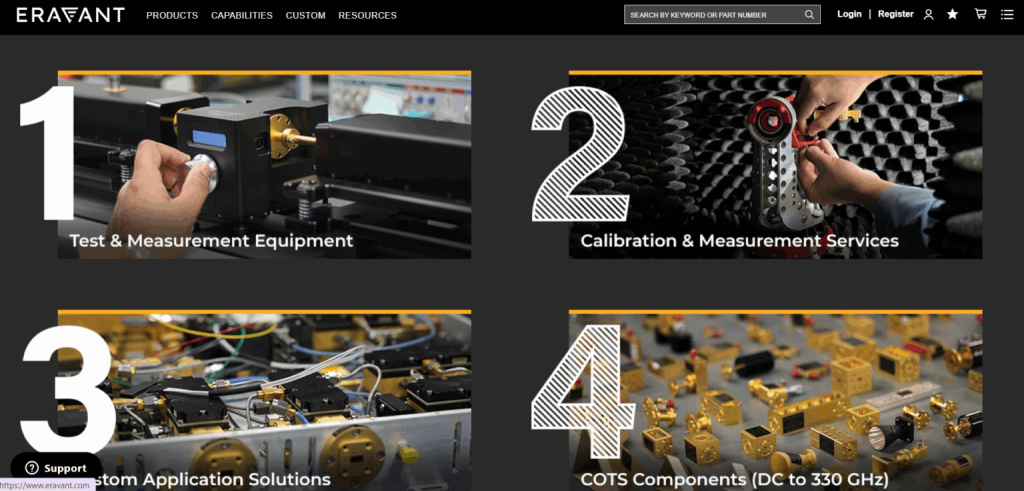
Eravant operates in electronics and serves commercial and military applications. Its SuiteCommerce Advanced implementation included custom product functionality, real-time stock status, lead-time information, matrix items, call-for-pricing functionality, custom order tracking, moderated signup, and customer order capabilities.
This example reflects a B2B environment where buyers need detailed product information, account-specific purchasing functionality, and visibility into product availability rather than a standard retail shopping experience.
WS Display
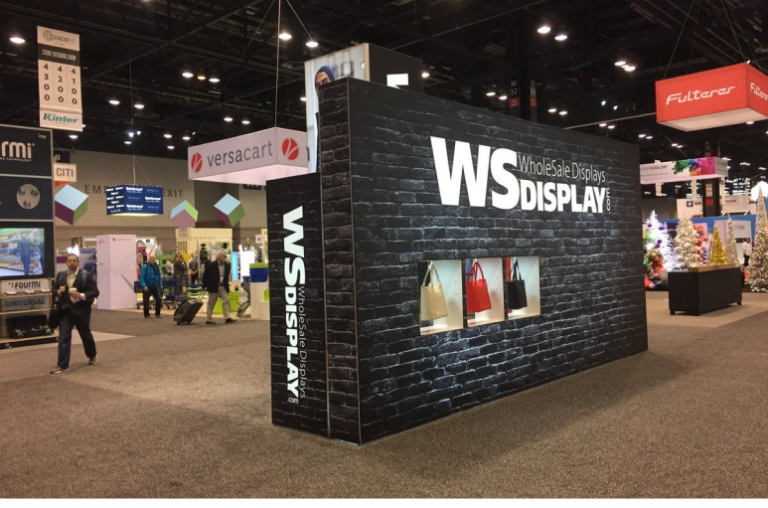
WS Display operates in wholesale distribution. Its existing B2B web store was migrated from an earlier SuiteCommerce Advanced version to a newer SCA release, with additional development included as part of the migration.
This highlights an important part of the SCA operating model: launching the storefront is only one stage of the ecommerce lifecycle. Version migrations, development management, testing, and ongoing storefront maintenance remain part of long-term ownership.
AVS Companies

AVS Companies is a distributor of amusement, gaming, and vending equipment. The company migrated its back office from abas ERP to NetSuite while launching B2B and B2C websites using SuiteCommerce Advanced.
The implementation connected the web stores with NetSuite order processing, inventory, and accounts receivable. It demonstrates how SCA fits into a broader ERP and ecommerce operating model rather than functioning as an isolated storefront.
Where SuiteCommerce Advanced Fits Best
SuiteCommerce Advanced fits businesses where NetSuite already serves as the operational center and ecommerce needs to remain closely connected to that environment.
SCA is particularly relevant for:
- Manufacturers selling directly to business customers
- B2B businesses with customer-specific pricing
- Companies with complex NetSuite customer and item structures
- Businesses that need ecommerce orders connected directly to NetSuite
- Organizations that want inventory and product information closely tied to the storefront
- Companies looking to reduce separate ERP-to-ecommerce integration work
- Businesses with specialized B2B purchasing requirements that need further storefront development
SCA makes sense when ecommerce needs to function as an extension of the company’s NetSuite operation. The closer the relationship between customers, pricing, inventory, products, orders, and financial processes, the more relevant this model becomes.
Where Magento Fits Best
Magento fits businesses that want ecommerce to operate as a distinct technology environment with extensive control over storefront functionality, catalog management, B2B commerce, and development.
Magento is particularly relevant for:
- Businesses that want ecommerce to operate as a distinct technology environment
- Organizations that need extensive control over storefront functionality, catalog management, merchandising, and B2B purchasing
- Companies with dedicated ecommerce development resources
- Businesses with complex B2B commerce requirements that align with Magento’s ecosystem
- Organizations prepared to manage a separate ecommerce platform and its NetSuite integration
- Companies where ecommerce serves as an independent digital channel rather than an extension of the ERP
Magento is the right fit when the existing ecommerce investment is substantial. If you want to replace a mature Magento environment, it involves migration work, data movement, SEO considerations, redevelopment, testing, integrations, and internal change management.
What If You Already Run Magento?
A NetSuite business already running Magento needs to evaluate the existing environment before considering a move to SCA.
A mature Magento storefront might contain years of development, integrations, customer data, custom functionality, SEO value, extensions, and internal expertise. Replacing that environment introduces its own project scope and migration requirements.
The case for moving toward SCA becomes more relevant when the existing Magento setup creates persistent ERP integration complexity, duplicated data, synchronization issues, or technical maintenance overhead.
The evaluation should compare the existing Magento operating model with the value of bringing ecommerce closer to NetSuite. The question is less about replacing one storefront with another and more about determining which operating model fits the business’s next stage of growth.
How to Choose Between SuiteCommerce Advanced and Magento
The decision should start with the current NetSuite environment, B2B purchasing model, ecommerce requirements, technical resources, and long-term operating model.
1. Is NetSuite already the core business system?
If customer, product, pricing, inventory, order, and financial data already live in NetSuite, SCA provides a direct ecommerce model around those records.
Magento introduces a separate ecommerce environment and therefore requires an integration setup between the storefront and NetSuite.
2. How sophisticated are your B2B account requirements?
Review your company’s actual account structure rather than looking only at a feature checklist.
Consider parent and subsidiary relationships, multiple buyers, purchasing permissions, approval processes, account-specific catalogs, negotiated pricing, and sales-assisted purchasing.
SCA provides a strong foundation for specialized account experiences while keeping customer relationships connected to NetSuite. Magento provides dedicated B2B company structures and purchasing functionality within its ecommerce environment.
3. How much storefront flexibility does the business require?
Both platforms provide extensive storefront development options, but the surrounding technology environment differs.
SCA is designed for businesses that want storefront flexibility within the NetSuite ecosystem. Magento provides an independent ecommerce development environment with a broad ecosystem of extensions and technical resources.
4. How much integration work does the business want to maintain?
This is one of the clearest distinctions.
SCA keeps the core ecommerce-to-ERP relationship close to NetSuite. Magento requires an integration setup that connects ecommerce customers, products, pricing, inventory, orders, fulfillment, and other business data with NetSuite.
5. What does the business already have?
Existing Magento development resources, extensions, integrations, custom functionality, and SEO investment all factor into the decision.
A NetSuite business starting a new B2B ecommerce initiative has a different set of considerations from a company that has operated Magento for years.
The final evaluation should account for both the future ecommerce requirements and the cost and operational impact of changing the existing technology environment.
Final Verdict
For a wholesale or B2B-only business already operating on NetSuite, SuiteCommerce Advanced provides a strong fit when the priority is keeping ecommerce closely connected to the ERP. Customer pricing, product information, inventory, customer accounts, orders, and transaction processes remain closely tied to the NetSuite environment.
Magento provides a different model for businesses that want an independent ecommerce platform with extensive B2B functionality, storefront control, development resources, and an established Magento ecosystem. For a NetSuite business, that model requires the additional responsibility of maintaining the connection between Magento and the ERP.
The decision therefore comes down to the role ecommerce needs to play in the business. SCA suits an ecommerce operation designed as a closely connected extension of NetSuite. Magento suits an organization that wants ecommerce to operate as a distinct platform and has the technical resources and integration model to support it.
For businesses evaluating SCA, the practical starting point is to map the complete B2B purchasing journey, from customer login and product discovery through pricing, ordering, fulfillment, approvals, and account management, and identify which requirements align with existing NetSuite processes and which require additional development.
FAQs
Is SuiteCommerce Advanced suitable for B2B ecommerce?
Yes. SuiteCommerce Advanced supports B2B ecommerce requirements including customer-specific pricing, account-based purchasing, repeat ordering, product catalogs, customer order history, and NetSuite-connected transactions. Its primary distinction is the close relationship between the storefront and NetSuite business data.
Does SuiteCommerce Advanced support customer-specific pricing?
Yes. SCA works with NetSuite customer and pricing structures to present account-specific pricing. More specialized pricing requirements receive additional configuration or development within the NetSuite ecommerce environment.
Does SuiteCommerce Advanced support customer-specific catalogs?
SCA supports account-specific ecommerce experiences using NetSuite customer, item, and pricing structures. Businesses with more specialized visibility rules receive additional development around their purchasing model.
Does Magento integrate with NetSuite?
Yes. Magento integrates with NetSuite to exchange business information such as customers, products, inventory, pricing, orders, fulfillment, invoices, and other transactional data. The required integration scope depends on the business processes and systems involved.
Should a NetSuite business migrate from Magento to SuiteCommerce Advanced?
The decision depends on the existing Magento investment, ecommerce requirements, integration workload, technical resources, and long-term operating model. Migration deserves consideration when the separate ecommerce environment creates persistent synchronization, integration, or maintenance challenges.